
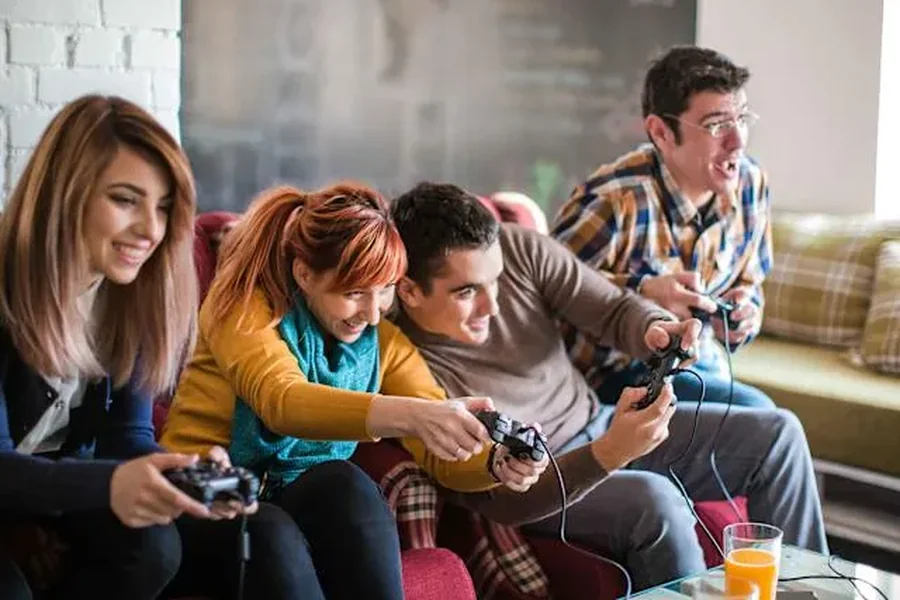
Summer has a persuasive way of making “going out” feel like the default social plan. Long daylight hours, warm evenings, and busy patios can quietly nudge friendships into a repetitive loop: meet somewhere, spend money, head home, repeat. There’s nothing inherently wrong with that pattern, but it tends to outsource connection to a venue. When the atmosphere, menu, or noise level does most of the work, it’s easy for real conversation, shared effort, and memorable collaboration to fade into the background.
The alternative is not staying in and doing nothing; it’s choosing social hobbies with a deliberate structure. Unlike solitary pastimes that fragment attention—whether it’s doomscrolling, binge-watching, or a quick slot game cleopatra—shared hobbies create a “third thing” to focus on together. That third thing reduces awkwardness, increases laughter, and gives friendships a sturdier rhythm than scheduling yet another outing. The key is to pick activities that have a clear start, a satisfying middle, and a gentle finish, so everyone leaves feeling energized rather than depleted.
What makes a hobby “social” (and why it works)
A genuinely social hobby has three ingredients:
- Shared agency: Friends make choices together, not just consume the same service. Even small decisions—routes, recipes, themes, rules—create a sense of co-ownership.
- Light accountability: The hobby benefits from showing up, but it isn’t punitive. This keeps momentum without turning fun into obligation.
- Built-in story: The activity produces something worth retelling: a photo, a finished project, a silly mishap, a “we did it” moment.
Analytically, these ingredients matter because they support two powerful drivers of friendship: synchrony (doing things in time together) and reciprocity (taking turns contributing). “Going out” often provides synchrony without reciprocity; one friend plans, everyone attends, the venue dictates the experience. Social hobbies flip that ratio.
The best “not going out” hobbies fall into five categories
Instead of chasing a giant list of random ideas, it helps to think in categories. Each category satisfies different needs—movement, creativity, novelty, calm—so you can match the hobby to your group’s energy.
1) Collaborative cooking and “micro-hosting”
You don’t need a formal dinner party to make food social. The trick is to design cooking as a shared project, not a performance.
- Theme nights: Pick a theme (color, region, decade, ingredient) and assign tiny roles: one friend does a salad, another a main, another a dessert, another a playlist.
- Build-your-own boards: Tacos, wraps, dumplings, summer rolls, or snack boards work well because everyone assembles their own and customization sparks conversation.
- Taste-test challenges: Compare three kinds of fruit, three spicy sauces, or three homemade lemonades. Keep it playful and low-stakes.
Why it works: cooking creates natural pauses for chatting, quick teamwork moments, and a tangible reward. It’s also flexible—indoor, outdoor, loud, quiet, cheap, fancy.
2) Backyard or park “clubs” with a simple format
A club doesn’t need a membership card. It needs a repeatable structure that makes it easy to say yes.
- Sunset walk club: Same day each week, same starting point, optional loop length.
- Picnic practice: Rotate who brings one item (fruit, drinks, blanket, speaker). Keep it minimalist.
- Frisbee, badminton, or casual soccer: Choose games that scale with skill and don’t punish beginners.
Why it works: a predictable format reduces planning fatigue. The activity is social “glue,” but the real value is consistency—friendships thrive on repeated low-friction contact.
3) Creative builds that look impressive but are actually easy
Creative hobbies sound intimidating until you shrink the scope. The goal isn’t mastery; it’s shared momentum.
- Photo scavenger hunts: Make a list of playful prompts (something round, something nostalgic, a dramatic shadow) and walk a neighborhood together.
- Mini art nights: Everyone brings one medium (markers, watercolor, collage scraps) and makes something small in 45 minutes. Swap creations at the end.
- Upcycle challenges: Take simple items (old jars, plain shirts, cardboard) and redesign them with a theme.
Why it works: creativity lowers social pressure. When hands are busy, conversation feels lighter. Plus, “we made this” is a powerful bonding narrative.
4) Skill-sharing sessions that don’t feel like class
Skill-sharing can be warm and flattering if you keep it informal and short.
- Teach a signature recipe, dance step, or card trick.
- One-hour “clinic”: Someone teaches a basic camera setting, a simple stretching routine, or beginner sketching.
- Swap expertise: One friend shares a fitness warm-up; another shares a playlist-making method; another shares a basic plant-care routine.
Why it works: people feel valued when they contribute. It also diversifies the friendship dynamic—friends become collaborators, not just companions.
5) Friendly competitions with gentle rules
Competition becomes social when it’s designed to be inclusive, silly, and brief.
- Lawn games or homemade Olympics: Create quirky events: paper airplane distance, timed puzzle assembly, water balloon toss.
- Board games with “summer pacing”: Choose games that finish in under an hour or have easy stopping points.
- Cook-off “rounds”: Best sandwich, best mocktail, best fruit dessert—judged on fun categories like “most dramatic” or “most surprising.”
Why it works: competition adds stakes without seriousness. The structure creates a beginning and an ending, which makes hangouts feel complete rather than drifting.
How to choose the right hobby for your friend group
To keep a hobby from becoming a one-time novelty, pick with constraints:
- Energy match: Some groups want movement; others want calm. If the hobby repeatedly mismatches energy, attendance drops.
- Cost ceiling: Decide a comfortable maximum cost per person and stick to it. Predictable affordability prevents quiet resentment.
- Setup realism: The best hobbies have a “15-minute launch.” If setup takes longer than the activity, it won’t repeat.
- Rotation fairness: Rotate roles (host, organizer, bringer-of-supplies) to avoid burdening one reliable friend.
A useful heuristic: if someone can join late or leave early without ruining the activity, the hobby has strong social elasticity—which is ideal for adult schedules.
Keeping it sustainable: design for repetition, not perfection
Most social plans fail for one reason: they rely on motivation. Design beats motivation every time. Make the hobby easy to restart:
- Put it on a recurring day (“first Sunday picnic,” “Wednesday sunset walk”).
- Keep a shared note with supplies and simple rules.
- End while it’s still enjoyable. A crisp finish creates anticipation for next time.
When you replace “Where should we go?” with “What are we building this week?” friendships often feel more vivid, more playful, and strangely more restful. Social summer hobbies don’t eliminate going out; they diversify connection. And in the long run, that diversity is what keeps relationships resilient—because you’re not just sharing spaces, you’re sharing experiences you made together, a point often reflected in discussions on timeforlawyers about long-term perspective and shared growth.