
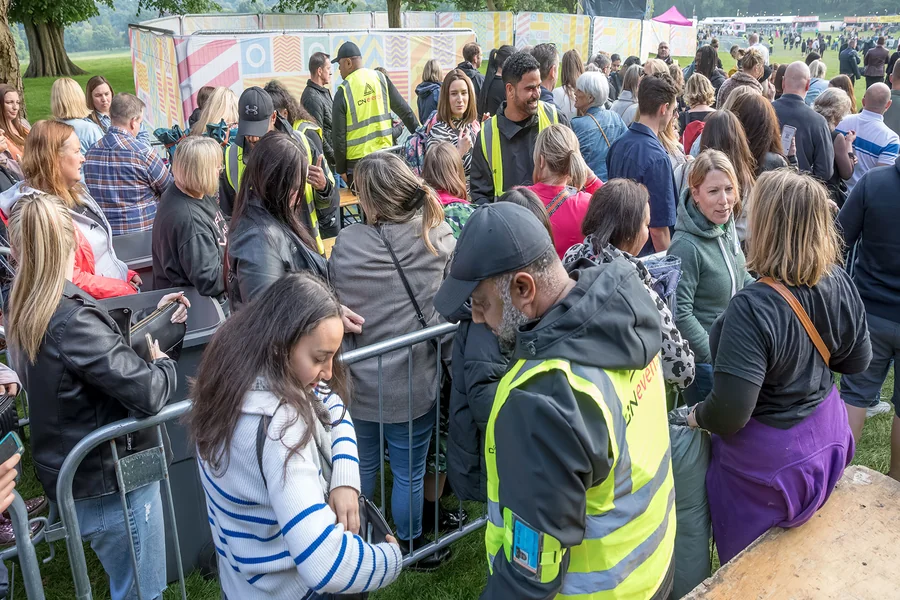
Security staff exchange updates through radios while vendors prepare service areas behind barriers. During one large gathering, organizers requested a fire watch milwaukee service after discovering a temporary alarm issue near a utility section. Extra patrols moved through selected pathways and observing changes that might otherwise go unnoticed. Bright lighting, portable power systems and constant movement create an environment where attention never really slows down.
GPS Tracking Creates Accurate Patrol Records
Event coordinators frequently review movement records throughout active operations. Digital GPS tracking confirms patrol routes across designated sectors and verifies scheduled inspections. Instead of relying on memory, supervisors receive detailed location histories showing where guards travelled during each assigned shift.
The system creates consistency across larger venues where multiple teams operate simultaneously.
- GPS records confirm completed patrol routes during crowded events.
- Location updates reduce uncertainty throughout extended operational periods.
- Supervisors review movement histories during active venue monitoring.
- Digital tracking documents patrol activity across multiple sections.
Visual Documentation Captures Changing Conditions
Conditions rarely remain identical from morning preparation through evening shutdown. Temporary structures shift. Service equipment moves. Storage areas change as supplies arrive and leave throughout the event.
Photo documentation becomes part of routine reporting. Images capture specific conditions without lengthy explanations. A guard may notice damaged fencing near a restricted area and immediately record the situation before notifying management personnel.
Several event operators prefer visual reporting because details remain available long after activities conclude.
Communication Stays Consistent Through Direct Oversight
Large public gatherings involve many departments working simultaneously. Maintenance crews, security teams, technical staff, and event coordinators frequently share information throughout the day.
A direct account manager creates a single communication channel. Questions move faster. Updates reach decision makers quickly. Operational adjustments happen without confusion.
Midway through one assignment, a temporary electrical concern required additional monitoring. Organizers requested a fire watch milwaukee patrol expansion around equipment zones while technicians completed repairs. Documentation continued without disrupting surrounding event activities.
Routine Patrol Elements Remain Constant
Despite changing environments, several patrol duties remain consistent throughout special event assignments.
- Guards watch utility equipment during periods of heavy usage.
- Patrol teams inspect restricted zones surrounding temporary installations.
- Personnel watch emergency access routes throughout active attendance.
- Safety reports document observations during every scheduled inspection.
A professional fire watch presence focuses on observation, reporting, and immediate communication whenever unusual conditions appear within the monitored environment.
Managing Movement Across High-Traffic Gathering Areas
Public venues rarely remain still. Guests arrive continuously. Service vehicles enter designated zones. Vendors transport supplies through controlled pathways. Constant movement creates changing conditions throughout the property.
Experienced teams watch intersections where foot traffic combines with operational activity. Visibility remains a priority. Temporary barriers receive regular inspection. Access routes stay under observation during busy attendance periods.
Another fire watch patrol may rotate through support areas while additional personnel watch central gathering spaces. Multiple layers of observation contribute to smoother event operations.
End-of-Engagement Documentation Matters
As attendance decreases and cleanup begins, reporting responsibilities continue. Equipment removal creates new movement patterns across the venue. Temporary structures disappear. Utility systems gradually power down.
A detailed compliance packet often includes patrol logs, incident notes, inspection records, and documented observations gathered throughout the assignment. Organizers review these records when evaluating operational performance.
Quiet Hours After the Event Ends
Late-night conditions often feel completely different from the busy atmosphere seen earlier. Empty pathways replace crowded walkways. Equipment crews finish loading vehicles. Lighting systems gradually power down across the property.
A final fire watch patrol continues through remaining operational zones while teams verify site conditions. Guards watch critical areas until responsibilities officially conclude. One last report gets completed, radios become silent, and the venue settles into a much quieter scene than the one that existed only hours before.
FAQs
Why are fire watch teams used during special events?
They monitor designated areas when organizers require additional observation, reporting, and safety-focused patrol coverage.
What does GPS tracking contribute during assignments?
GPS tracking creates documented patrol records showing completed routes and inspection activity.
Why is photo documentation commonly included?
Photographs capture site conditions accurately and support written observations collected during patrol operations.
