
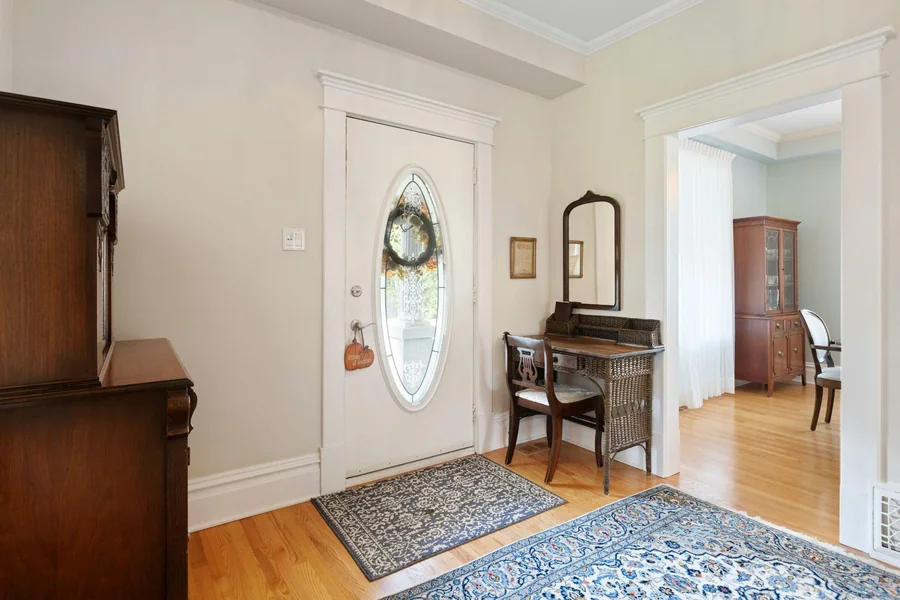
The first moment someone steps into your home sets the tone for everything that follows. An entryway is a space that announces your style, your approach to design, and your attention to detail. Yet for many homeowners, entryways are overlooked, treated as utilitarian passages rather than opportunities to impress and delight.
Creating an entryway that leaves a lasting impression requires a balance of function and flair. Small architectural details, careful material choices, and thoughtful decorative elements can elevate even the most modest foyer into a space that feels beautiful, welcoming, and stylish.
Here are five ways to design entryways that capture attention and set the stage for the rest of your home.
1. Statement Flooring That Anchors the Space
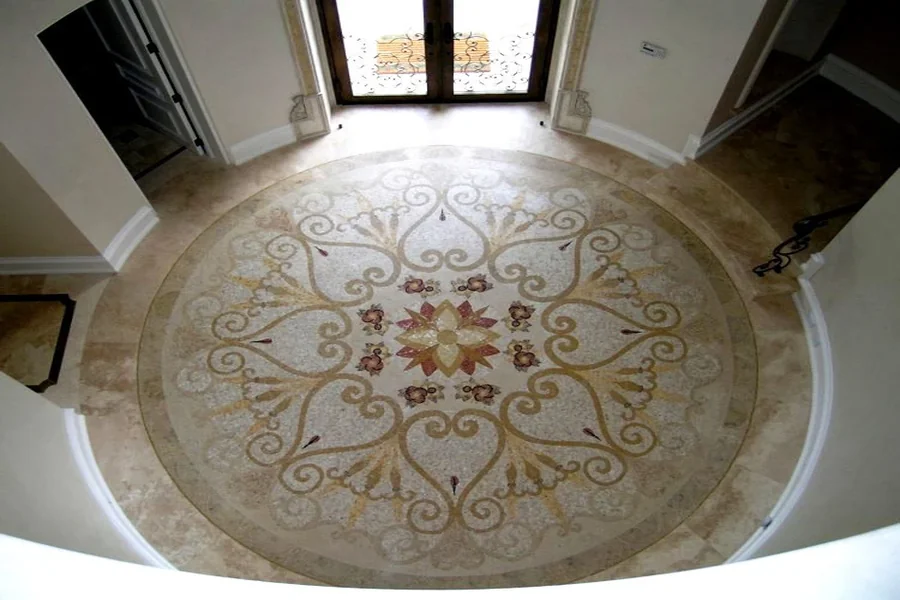
Few design choices make an impact like the floor beneath your feet. A well-chosen surface signals care, craftsmanship, and character before a visitor ever notices the walls or furnishings. One of the most striking options is a marble mosaic medallion. Centered in a foyer or surrounded by a simple geometric border, a marble medallion becomes a sculptural focal point that immediately communicates elegance.
For a modern twist, designers are experimenting with mosaic rugs crafted from stone or ceramic tiles. Unlike textile rugs, these mosaic rugs are durable, practical, and visually dynamic. They allow for intricate patterning and color variation, giving a compact space depth and sophistication. Whether you opt for a classic herringbone pattern, a sunburst motif, or an abstract composition, flooring can be the statement piece that anchors your entire entryway.
Beyond mosaics, natural materials like travertine, limestone, or reclaimed wood provide tactile richness that invites touch and signals quality. Layering textures in the flooring, for example, smooth stone alongside a softer area mat or subtle patterned tile, adds complexity without overwhelming the eye.
2. Lighting That Feels Both Functional and Dramatic
Lighting transforms an entryway from a mere corridor into an experience. It can highlight architectural features, enhance textures, and set the mood for the rest of the home. A striking chandelier or pendant light can act as a centerpiece, while sconces provide gentle layering that enhances dimension.
Consider proportion carefully: a fixture should feel prominent without overwhelming the space. For example, in a narrow foyer, wall-mounted fixtures may be more practical and equally elegant. Glass, crystal, or metallic finishes can add subtle sparkle, reflecting light and making the space feel larger. Dimmer switches allow the atmosphere to shift from welcoming daytime brightness to soft evening glow, emphasizing that the entryway is more than just a passage.
Lighting also works beautifully in dialogue with floor features. A chandelier above a marble mosaic medallion, or a flush fixture illuminating a beautiful carpet, draws the eye down and creates cohesion between ceiling and floor. This thoughtful layering of illumination and surface design signals refinement from the moment someone steps inside.
3. Functional Furniture That Speaks Volumes
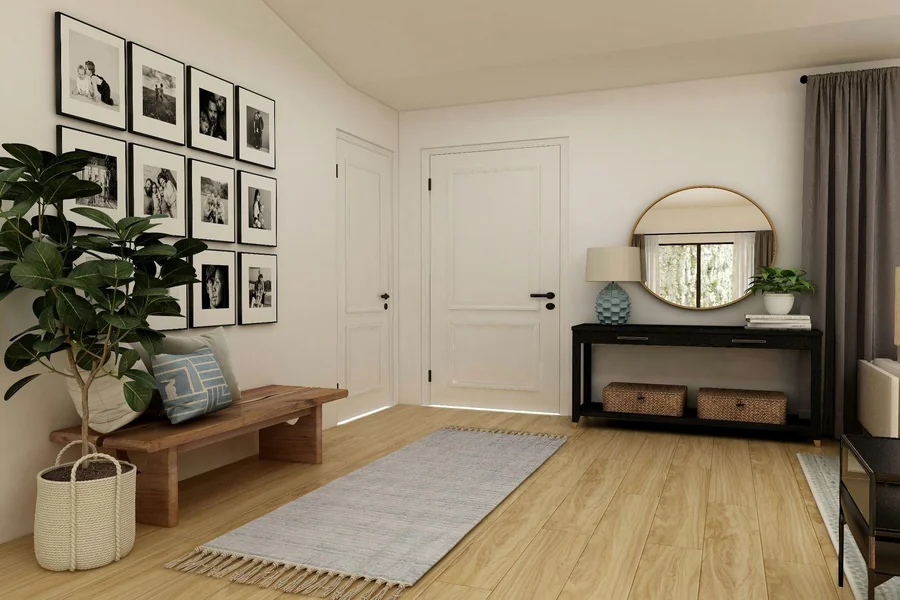
An entryway should be practical, but it doesn’t have to sacrifice style. A console table, a narrow bench, or a pair of accent chairs can provide utility while enhancing visual interest. Designers often use furniture to introduce texture, color, or unexpected pattern into the space.
Console tables topped with marble, wood, or lacquered surfaces offer a place for keys, mail, or decorative accents without cluttering the floor. Adding a mirror above a console not only serves a practical purpose but also amplifies natural light, visually expanding the space. A small upholstered bench encourages visitors to pause and settle, while open shelving underneath can provide subtle storage.
The beauty of furniture in the entryway lies in its duality: functional, yes, but also sculptural. A table with an elegant silhouette, a carved detail, or metal accents immediately elevates the room, signaling that attention has been paid to every element. Thoughtful furniture choices turn an entryway from a transitional zone into a curated gallery of welcoming objects.
4. Art and Decorative Elements That Reflect Personality
Art and decorative accents are where an entryway truly comes alive. They provide an immediate sense of the homeowner’s personality and taste. Artwork can range from framed prints and original paintings to small-scale sculptures or wall installations, giving the space energy and depth.
Any handcrafted floor elements can act as art underfoot, integrating pattern and texture in a functional yet visually striking way. Walls can be enhanced with bold color, textured plaster, or curated collections of framed objects. Even a single large statement piece, such as a landscape painting, abstract canvas, or sculptural element, can create a memorable impression, particularly when complemented by lighting that highlights its details.
When selecting art for an entryway, scale and proportion are key. Too small, and it feels inconsequential; too large, and it can overwhelm a compact space. Art should feel deliberate, anchored, and in harmony with the flooring and furnishings.
5. Subtle Layers of Texture and Pattern
Refinement often comes from layering textures and patterns rather than relying on bold statements alone. In a well-designed entryway, you might find a combination of tactile wall finishes, natural wood accents, woven baskets, metallic hardware, and soft textiles. These subtle elements add depth without making the space feel busy.
One particularly elegant method is to combine handcrafted elements with complementary finishes. For example, textured wallpaper, plaster, or paneling adds dimension while remaining understated. Even small touches like a patterned runner leading from the front door, or a basket of soft throws, can layer tactile interest and create an immediate sense of comfort and intentionality.
Color also plays a role. Neutral palettes often feel refined, but a few well-placed accents can create rhythm and visual intrigue. The most successful entryways feel cohesive because each layer of pattern, texture, and color interacts harmoniously, guiding the eye and creating a welcoming environment without feeling forced.
Bringing It All Together
The entryway is the first impression of a home, but it’s also an opportunity to showcase your taste and personality. A marble mosaic floor can serve as an anchor, grounding the space with artistry and permanence. Thoughtful lighting illuminates surfaces and layers, while functional furniture provides comfort without clutter. Art and decorative elements reflect personality, and layered textures add depth and tactile interest.
When executed thoughtfully, an entryway sets a tone that resonates throughout the entire home. It communicates style, care, and intention before a visitor even steps beyond the threshold. By combining artistry with function, layering texture with subtle patterns, and introducing handcrafted details, homeowners can create a space that welcomes guests and home inhabitants by setting a relaxed and warm atmosphere.
