
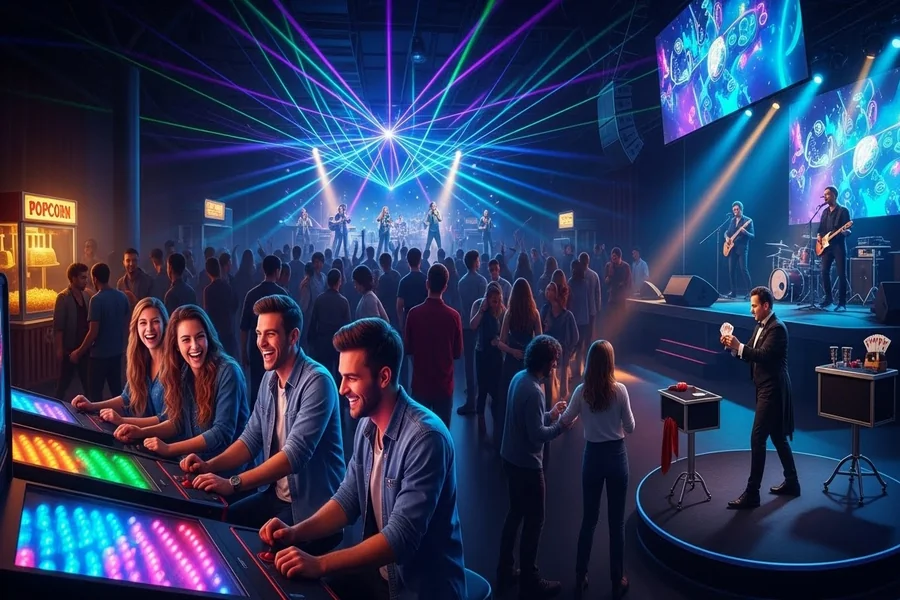
The landscape of modern leisure has shifted dramatically over the last decade. While traditional forms of entertainment like cinema and live sports remain popular, there is a burgeoning giant that has redefined how we spend our downtime: digital gaming. From complex strategy simulations to the quick thrill of a slot gacor, the variety available at our fingertips is unprecedented. This evolution isn’t just about technology; it’s about a fundamental change in how humans seek engagement and rewards in a digital-first world.
The Psychology of Play in the Digital Age
Why do we play? At its core, gaming taps into the human desire for achievement, risk-taking, and cognitive stimulation. In the past, this required physical presence—a deck of cards, a board game, or a trip to a local arcade. Today, the “gamification” of life means that the mechanics of play are integrated into our smartphones and laptops.
The digital environment provides a safe space to test strategies and experience the “flow state”—that magical zone where time seems to disappear because you are so focused on a task. Whether you are solving an intricate puzzle or trying your luck on a modern slot, the brain releases dopamine in response to challenges and potential victories. This neurochemical reward system is a powerful driver behind the sustained growth of the online entertainment industry.
Technology: The Engine of Immersive Experiences
The leap from pixelated graphics to photorealistic environments has been staggering. High-speed internet, cloud computing, and advanced graphics processing units (GPUs) have allowed developers to create worlds that are more immersive than ever before.
- Mobile Accessibility: You no longer need a $2,000 rig to enjoy high-quality gaming. Modern smartphones are more powerful than the supercomputers of yesteryear.
- Live Integration: Real-time multiplayer capabilities allow for social interaction, turning a solitary activity into a global community event.
- RNG and Fairness: Behind the scenes, sophisticated Random Number Generators (RNG) ensure that digital games remain fair and unpredictable, mimicking the physical laws of probability in a virtual space.
The Rise of the “Micro-Session”
One of the most significant trends in modern gaming is the rise of the “micro-session.” In our fast-paced society, many people don’t have three hours to sit down for a massive role-playing game. Instead, they seek out bite-sized experiences that can be enjoyed during a commute or a lunch break.
This demand for quick, high-intensity entertainment is where casual platforms excel. They offer immediate gratification and easy-to-understand mechanics. The simplicity of these games allows users to jump in and out without a steep learning curve, making them the perfect antidote to a stressful workday.
Security and Ethics in Online Platforms
As the industry grows, so does the focus on security. Trusted platforms now use SSL encryption and two-factor authentication to protect user data. Furthermore, responsible gaming has become a cornerstone of the industry. Top-tier providers now include tools that allow players to set limits on their time and spending, ensuring that the experience remains a fun hobby rather than a burdensome habit.
The shift toward transparency has helped debunk many old myths about online gaming. Modern users are more informed; they look for licenses, read reviews, and seek out platforms that prioritize the user experience over aggressive monetization.
The Future: VR, AR, and Beyond
What does the future hold? We are already seeing the beginnings of Augmented Reality (AR) and Virtual Reality (VR) integration. Imagine walking through a virtual lobby where you can interact with other players in a 3D space before sitting down at a table or a machine. The line between the “real” world and the “digital” world is blurring, creating a hybrid reality that offers the best of both worlds: the social cues of physical interaction combined with the limitless possibilities of software.
Conclusion
The world of digital gaming is no longer a niche subculture; it is a mainstream powerhouse that rivals the film and music industries. Its success lies in its ability to adapt to human psychology and leverage cutting-edge technology to provide joy, excitement, and community. As we move forward, the focus will likely remain on making these experiences even more accessible, secure, and engaging for a global audience.
