
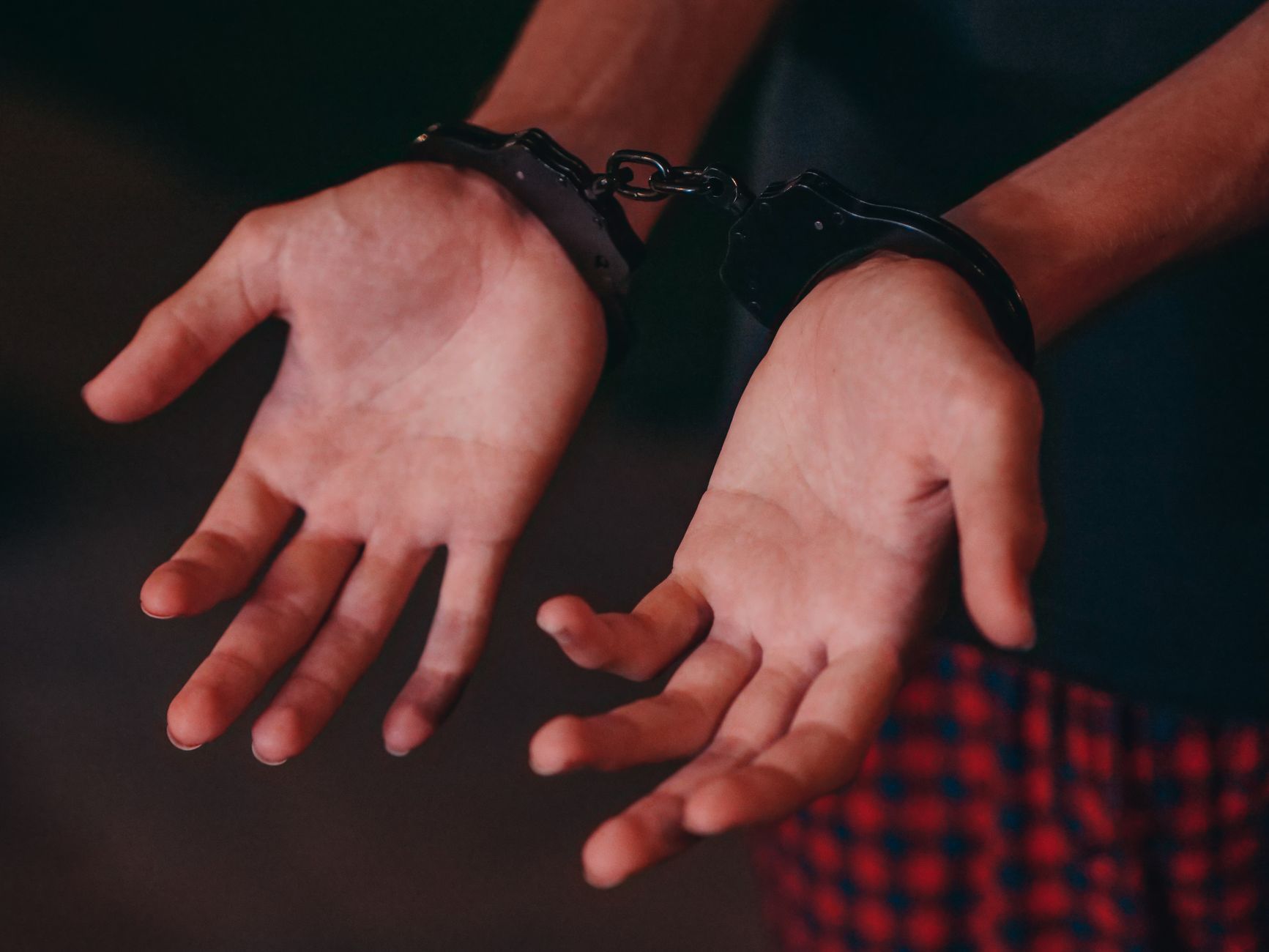
Being charged with violence can be daunting from the time of your arrest. The police report can sound powerful and persuasive. But a report isn’t the full picture. An assault attorney looks beyond the charge and digs into the facts. What happened? Who witnessed it? Is there a video? Are the statements consistent? These inquiries can set the tone for the whole defense. David Benowitz is an attorney at Platinum Criminal Defense Law Firm. He represents clients charged with crimes. He has years of trial expertise and a record of outstanding client representation. His method is based on thorough case review and zealous courtroom argument.
Police Report Reading by Your Lawyer
And the police report is generally the first thing lawyers look at. It can tell us what officers saw, what witnesses stated, and what happened before an arrest. Your lawyer looks for holes and inconsistencies in the report. “Was the officer there after the fight?” Was the apparent victim unhappy or injured? Did the witnesses tell the same story? Those details count. A lawyer also checks to see if the report fits up with other evidence. A report may state one thing while a video may show something very different. That’s when the case can start to turn.
Video Can Tell a Different Tale
Security cameras are everywhere — in stores, parking lots, residences, pubs, and apartment buildings. Phones can also record activities without anybody knowing. Video may show what transpired before the alleged attack It may also indicate who took the first move. Your lawyer will want to know if there is footage and if it is still available. Some systems delete old recordings after a short time. That makes timing critical.” A lawyer can also watch video from body cameras worn by police officers who responded to the scene. That video can catch comments, behaviors and facts that don’t make it into a written report.
Witness Statements Need to be Scrutinized
Witnesses can assist the prosecution. They can also assist the defence.” Not everyone remembers traumatic circumstances the same way. One individual might remember a punch. Someone else could recall someone trying to depart. Your lawyer can take a look at each account. They can say:
- Was the event observed by the witness?
- Where was the witness located?
- For how long did they watch it?
- They asked other people first?
- Has their tale evolved since then?
- Could lighting or distance play a role in what they saw?
A witness may be honest and yet be mistaken. That’s a big deal in a lot of assault instances.
Physical Evidence Fills in the Gaps
Photos and medical records might be part of assault cases. They can show injuries, damage or the state of the scene. Your lawyer doesn’t just look at whether someone got wounded. They are asking what caused the injuries. Imagine someone who has a bruise after a fight. This bruise doesn’t tell us who threw the first punch, or why the battle was begun. Context counts. The same applies to damaged clothing, shattered objects or marks at the scene. Each item has to fit into the bigger picture.
Your Own Messages Can Matter
Sometimes text messages, emails and social media posts might serve as proof. A text that was sent before an event can demonstrate what started the argument. Additional messages can also be useful context. Do not delete any case information. Don’t modify old messages and don’t ask others to remove posts. Keep what you have and let your lawyer decide what is important. Sometimes an innocent-looking message can be a deeper narrative when seen with the rest of the data.
Your Lawyer Digs Up Self-Defense
In some assault instances Self-Defense may be a concern. Your lawyer wants to know what happened before any physical contact was done. Was there any threat? Has anyone attacked first? “Were you trying to protect yourself or someone else?” Specific rules depend on where the matter is being heard because law varies from state to state. Your lawyer can also examine the amount of force that was employed. The facts of what happened can be as important as the damage itself. A few seconds can mean a significant difference.
Was the evidence obtained legally?
An assault attorney will also look at how the cops acquired evidence. The Constitution limits the police to what they can do. Use of particular evidence may be influenced by the circumstances and whether a search, seizure, questioning or other police activity was problematic. They can be technical issues. You don’t need to work them out yourself. Your Criminal Defense Lawyer can look at how the evidence was gathered and decide if it is worth legally challenging.
Lawyers Look for Loopholes, Not Just Proof
It’s not only about gathering evidence that aids you in defense work. It is also about uncovering evidence that does not establish the charge. Maybe the one witness observed some of the affair. Maybe the video is slow to start. “Perhaps two witnesses tell a different story. Those gaps are important. Under the law, it is up to the prosecution to prove the charge . Your lawyer’s role is to challenge that proof, not accept it.
The Timeline Can Alter the Case
A skilled defense attorney creates a timeline.
- So what happened first?
- What then was the result?
- When did the police come here?
- When did the witnesses speak to the officers?
- When did they report injuries?
- When was the arrest?
By putting things in chronological order you can spot flaws that are not apparent when you read reports. Imagine placing puzzle pieces on a table. One piece does not tell the complete story.
Your lawyer may have more than one defense
There is not one potential defense. Your lawyer may object to identity , challenge witness statements , assert self defense , deny intent , or say the prosecution can not prove the necessary elements . The defense should be in accordance with the facts. That’s why your first encounter with an assault lawyer is important. Tell your lawyer what happened, even if some of it makes you cringe. Your lawyer can’t prepare for facts they don’t know.
Why Experience is Important in an Assault Case
Without legal expertise, evidence standards and courtroom procedure can be difficult to navigate. Trial experience also helps lawyers know where to search for the case’s weaknesses. David Benowitz of Platinum Criminal Defense Law Firm has based his practice on criminal defense and trial advocacy. He is AV-rated by Martindale-Hubbell and is given a perfect 10 by Avvo. He also is a member of the National College of DUI Defense and a faculty member of Harvard Law School’s Trial Advocacy Workshop. That sort of background can matter when your case demands meticulous evidence evaluation and courtroom skill.
Talk to a Lawyer Before You Make Big Moves
A charge of assault can put you under pressure from all directions. You might wish to clarify your side quickly. First, take a breath. Do not contact the alleged victim without legal counsel. Don’t post about the case on the web. No messages or other records deleted. Instead, contact an experienced assault lawyer. Your lawyer can evaluate the evidence, explain your legal choices, and create a defense based on the real facts. An arrest is serious but it’s not the end of the story.
Frequently Asked Questions
1. What evidence does an assault lawyer assess first?
They can start with the police report, witness testimony, videos, photographs and medical records. Then they check those sources against each other for gaps or contradictory facts.
2. Can a video recording be used to defend an allegation of assault?
Yes. The video may reveal what happened before, during or after the alleged assault. It can also question a witness’s story or fill in missing facts in the police report.
3. Text texts as evidence in an assault case?
Yes. Messages may provide context about who was engaged and what events took place leading up to the alleged assault. This is an instance of a man who has a prior felony conviction.
4. What if witnesses give conflicting accounts?
Accounts vary, which may lead to concerns about what really transpired. Your lawyer has been trained to compare statements and to check if each witness had a clear opportunity to view the incident.
5. How Can a Criminal Defense Lawyer Challenge Evidence of Assault?
A lawyer may attack the credibility, the trustworthiness, or the legal basis of evidence. They may also assert defenses such as self-defense when the facts and state law justify such a defense.