
Living with diabetes means paying extra attention to wounds that might seem minor to others. Even small cuts, blisters, or scrapes can become serious complications if not properly managed. The good news is that with the right knowledge and consistent care, you can effectively support wound healing from the comfort of your home.
Understanding why diabetic wounds heal differently is the first step toward better management. High blood sugar levels can damage nerves and blood vessels, reducing sensation in your extremities and limiting blood flow to injured areas. This combination makes it harder for your body to detect injuries early and deliver the nutrients needed for repair. That’s why a proactive approach to wound care is essential for anyone managing diabetes.
Check Your Feet and Skin Daily
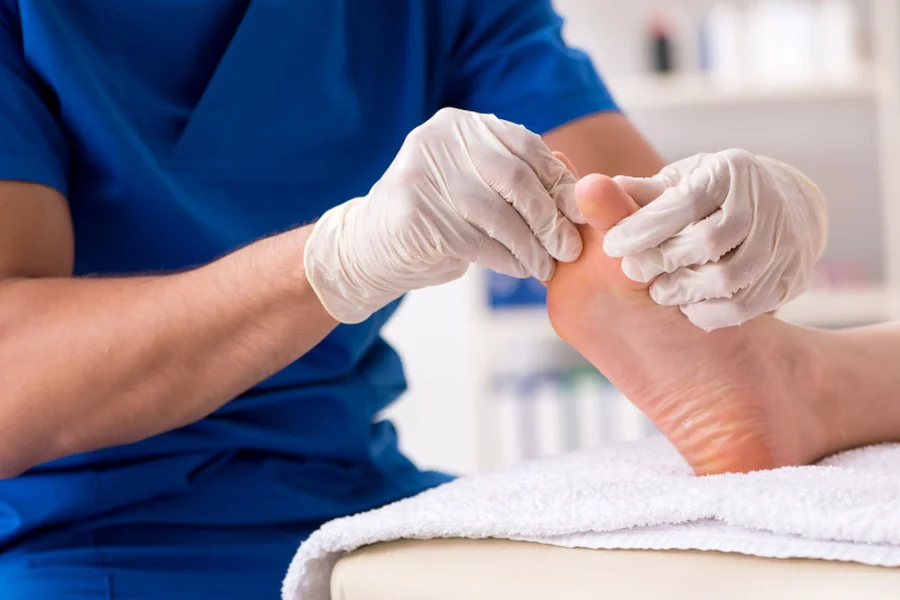
Making daily inspections part of your routine can catch problems before they escalate. Set aside time each morning or evening to examine your feet, legs, and any areas prone to pressure or friction. Look for cuts, blisters, redness, swelling, or any changes in skin color and temperature.
Use a mirror to check the bottoms of your feet if flexibility is an issue, or ask a family member to help. Pay special attention to areas between your toes, around toenails, and on the heels where problems often develop unnoticed. If you discover any wounds, no matter how small, begin treatment immediately and monitor them closely.
Keep Blood Sugar Levels in Your Target Range
Your blood glucose levels directly impact how quickly wounds heal. When blood sugar runs high, it impairs white blood cell function, making it harder for your body to fight infection and repair damaged tissue. Consistently elevated glucose also affects circulation, further slowing the healing process.
Work with your healthcare team to understand your target blood sugar range and check your levels regularly. Follow your prescribed medication schedule, eat balanced meals at consistent times, and stay hydrated throughout the day. These fundamental diabetes management practices create the internal environment your body needs for expert diabetic wound healing.
Clean and Dress Wounds Properly
Proper wound care starts with gentle cleaning. Wash the affected area with mild soap and lukewarm water, then pat it dry with a clean towel. Avoid using harsh antiseptics like hydrogen peroxide or iodine, as these can actually damage healthy tissue and slow healing.
After cleaning, apply an appropriate dressing to keep the wound moist and protected. Change dressings daily or whenever they become wet or dirty. Watch for signs of infection such as increased redness, warmth, swelling, pus, or a foul odor. If you notice any of these warning signs, contact your healthcare provider immediately rather than trying to manage it alone.
Protect Your Feet with Proper Footwear
Your choice of shoes and socks plays a crucial role in preventing new wounds and protecting existing ones. Always wear well-fitting shoes that don’t rub or create pressure points. Choose socks without tight elastic bands that can restrict circulation, and opt for moisture-wicking materials that keep your feet dry.
Never walk barefoot, even indoors, where you might step on something sharp without feeling it. Inspect the inside of your shoes before putting them on to ensure no objects or rough areas could cause injury. If you have an existing wound, your doctor might recommend special therapeutic footwear to reduce pressure on the healing area.
Maintain a Nutrient-Rich Diet
What you eat significantly affects your body’s ability to heal. Focus on consuming adequate protein, which provides the building blocks for new tissue. Include plenty of vitamins A and C, which support immune function and collagen production, along with zinc and other minerals essential for wound repair.
Stay well-hydrated by drinking water throughout the day. Limit processed foods, excessive salt, and added sugars that can interfere with blood sugar control and inflammation levels. Consider discussing supplementation with your healthcare provider if you have concerns about nutritional gaps in your diet.
Know When to Seek Professional Help
While home care is important, some situations require professional medical attention. Contact your doctor if a wound hasn’t shown improvement within a few days, appears to be getting worse, or shows any signs of infection. Deep wounds, those exposing bone or tendon, or injuries caused by puncture wounds should be evaluated immediately.
Taking charge of wound care at home empowers you to prevent complications and support your body’s natural healing processes. By combining vigilant monitoring, proper wound treatment, good blood sugar control, and healthy lifestyle choices, you can significantly reduce your risk of serious complications and promote faster, more effective healing.
