
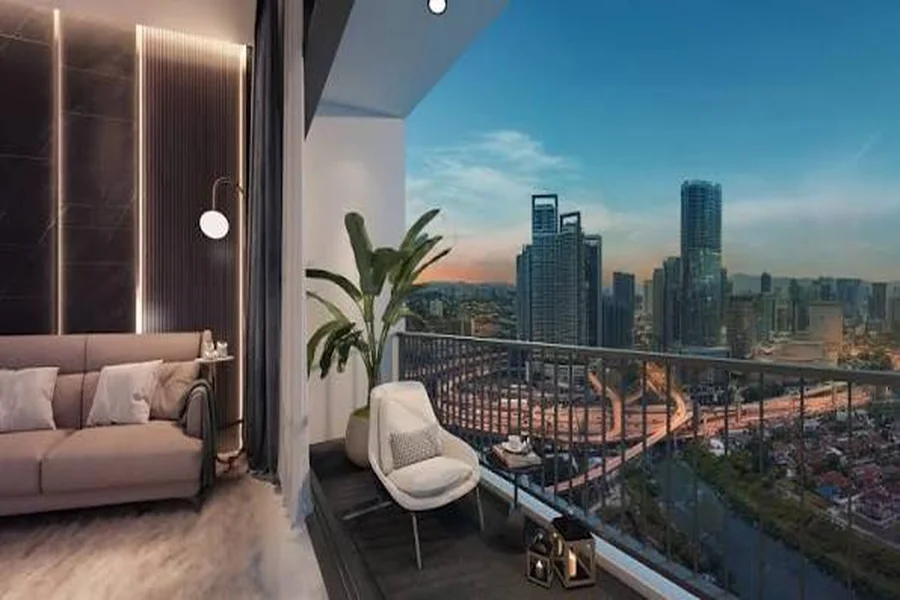
Some residential addresses offer convenience nearby. Others make it part of coming home. With a hawker centre and bus interchange beneath the residential component, Chencharu Central Residences brings two essentials of Singapore life into one connected address. The appeal is immediate: everyday meals and onward journeys become less about making a separate trip and more about moving naturally through the day.
Located at Chencharu Close, the new condo by Evia Real Estate, Gamuda Land and Ho Lee Group presents a proposition rooted in practical urban living. Its distinctive attraction is not simply having amenities in the surrounding neighbourhood. It is the relationship between the home above and the dining and transport infrastructure below, offering a compelling reason to reconsider what convenience at your doorstep can mean.
Chencharu Central Residences Makes Everyday Dining Part of Home
A hawker centre beneath your home changes the rhythm of an ordinary week. Breakfast need not involve stocking the kitchen for every possibility. Lunch can be a straightforward decision rather than an outing to organise. After a long day, dinner becomes one less task demanding time and attention. That proximity matters because food is not an occasional lifestyle extra. It is a daily need, repeated across every household.
There is also something distinctly Singaporean about the appeal. Hawker dining offers an informal counterpoint to private residential living, bringing familiar food culture into the everyday experience of the address. Residents can enjoy the comfort of their own space while having a casual meal option close at hand. The result is a lifestyle that feels polished without becoming detached from the pleasures of the neighbourhood.
More Choice Over How the Day Unfolds
The value extends beyond eating out more often. It is about having the option when plans change. A busy morning, an unexpectedly late return or a weekend when nobody feels like cooking becomes easier to accommodate. Home cooking can remain a pleasure rather than an obligation, with nearby hawker dining providing a practical alternative whenever the household needs it.
A Bus Interchange Below Simplifies the First Leg
Transport convenience often begins before the actual journey. Getting from the front door to the boarding point can shape how manageable a commute feels, especially when it is repeated throughout the working week. Placing a bus interchange within the same integrated setting brings that first stage closer to home. It gives residents a transport starting point without first having to make a separate journey to an interchange elsewhere.
For households that use public transport regularly, this arrangement can support a more straightforward daily routine. The precise benefits will depend on the services available and each resident’s destination, but the underlying advantage is clear: access to buses becomes part of the residential address itself. Rather than promising that every journey will be direct, the appeal lies in making the beginning and end of those journeys more convenient.
When Meals and Mobility Work Together
The strongest aspect of this concept is how its two everyday amenities complement each other. A hawker centre answers the question of what to eat. A bus interchange supports the question of how to get where you need to be. Bringing both beneath the home allows residents to combine activities that might otherwise require separate stops, creating a more cohesive daily routine.
Imagine returning from work and picking up dinner before heading upstairs, or having breakfast close to home before setting out. These are modest moments, but their frequency gives them significance. Over time, fewer separate errands can mean less planning and more flexibility. The appeal is not an extravagant promise of effortless living; it is the practical satisfaction of having essential needs considered together.
One Address for Different Household Routines
A connected address can serve different schedules within the same home. One resident may prioritise access to buses for work, while another values an easy meal nearby during the day. Families balancing school, work and household responsibilities may appreciate having dining and transport concentrated in one place, even when everyone’s timetable looks different.
This flexibility also makes the concept relevant beyond a single life stage. For residents who prefer not to drive for every outing, an interchange below offers a useful alternative starting point. For those who enjoy cooking but want occasional relief from meal preparation, the hawker centre adds choice. Neither amenity dictates a particular lifestyle. Together, they give residents more ways to organise their own.
The Luxury of Keeping Everyday Essentials Close
In premium residential living, luxury can be expressed through time as much as space. Having meals and transport close at hand can reduce the small logistical demands that fill a busy week. It leaves greater room for personal routines, whether that means a slower breakfast, an unhurried evening at home or simply fewer decisions after a demanding day.
That is the central appeal of Chencharu Central Residences. The hawker centre and bus interchange are not peripheral conveniences to mention in passing; they define the address’s everyday proposition. At Chencharu Close, this integration places familiar essentials directly beneath residential life, making the journey home feel more complete. For buyers who value practical connectivity alongside the comfort of a private home, it is a meaningful expression of convenience.